

Finding the best historic home realtors in Charleston takes more than a quick online search. A historic home carries stories, strict rules, and surprises that a modern house never has. This guide explains the basics in plain words, so you can buy or sell with confidence.
What Counts as a Historic Home in Charleston?
A historic property usually stands at least 50 years old and holds real historical significance. In Charleston, many historic homes in Charleston, SC sit inside the Charleston Historic District, a protected area on the Charleston Peninsula. Some owners also seek a National Register listing to honor their house’s story.
A historic district gives a whole neighborhood shared rules, while one house may carry its own historic character. Charleston’s heritage shows in 1800s homes, a centuries-old home or two, and an early 18th century home on a quiet lane. Locals call them old homes in Charleston, and they still feel lived in.
What Makes Charleston Architecture So Special?
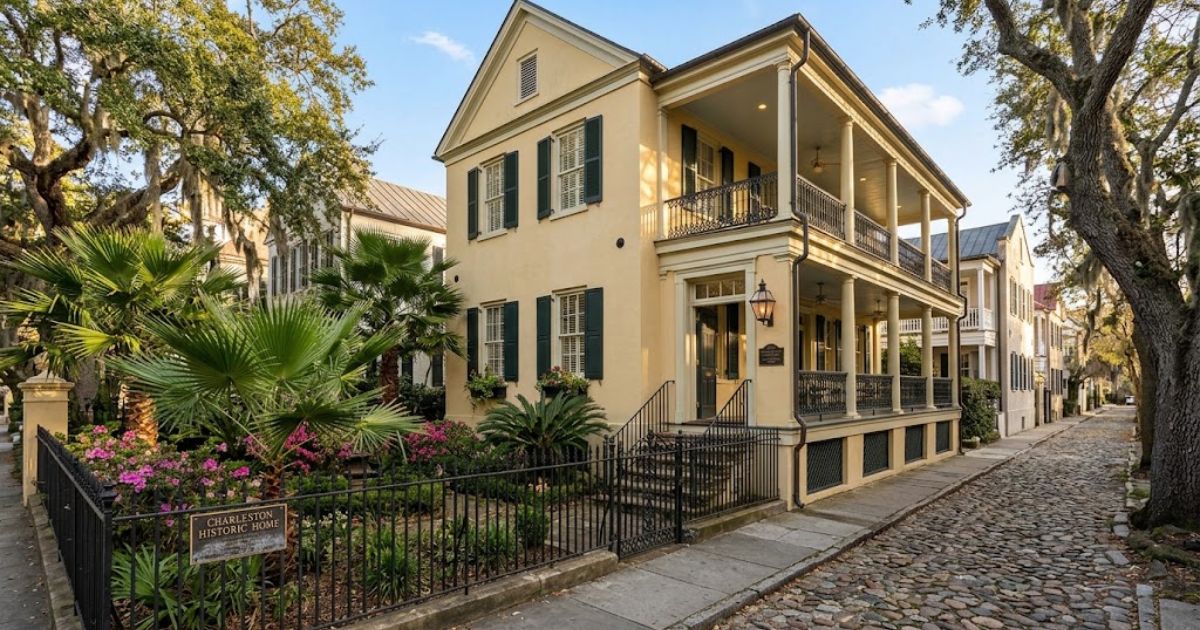
Architecture here blends practical design with fine detail, and its architectural significance draws visitors worldwide. The classic Charleston single house sits one room wide with a long side piazza for shade and breezes. Many also show a columned porch facing the street.
Builders in the Colonial and early Federal period used hand-hewn framing, lime plaster, and ornate plaster ceilings that still impress today. Look for period details like trim, hardware, and original features, because they prove craftsmanship and careful workmanship. This heritage architecture explains why authenticity matters so much to buyers.
How Old Are Charleston’s Oldest Houses?
Some houses date to the colonial era, while many antebellum homes rose before the Civil War. A c. 1777 home or a circa 1873 cottage can sit on the same block. Age alone matters less than condition, provenance, and the quality of historic construction.
Many antique furnishings still fill these rooms, and some antiques came with the house itself. Behind a main house, you may spot a kitchen house, once the cooking space. Some streets even hold a mansion with a sword gate and ornate decor.
Which Charleston Neighborhoods Suit Old-House Lovers?
Start in downtown Charleston, where South of Broad, Harleston Village, the French Quarter, and Ansonborough offer the densest mix of old houses. Each area feels different, from quiet lanes to busy shopping blocks. Pick the one that matches your daily routine.
Famous streets include Tradd Street, Meeting Street, Church Street, Legare Street, and East Battery. Other addresses like Laurens Street, Bull Street, Water Street, Pitt Street, and King Street also hold notable houses. Many sit in Charleston, SC 29401, a core downtown ZIP code.
Is Flooding a Problem for Old Charleston Houses?
Yes, flood risk is real downtown, because the city sits low beside tidal water. Check the flood zone and the lot’s elevation before you fall in love with any porch. Heavy rain and high tides can flood some streets while others stay dry.
Smart buyers study street-by-street water behavior, drainage, and micro-flooding patterns. Charleston’s design board publishes guidelines for elevating historic structures, which can influence flood insurance and other insurance considerations. A good agent explains both, so you gain peace of mind.
Can You Find Coastal Charm Beyond the Peninsula?
Yes, coastal living extends well past the old city streets. Mount Pleasant, Sullivan’s Island, and the Isle of Palms offer beach-and-marsh living, while Daniel Island offers newer neighborhoods. Rules and prices differ by town, so compare several options before you commit to one.
Further out, North Charleston, Summerville, Goose Creek, and Beaufort offer more space and often lower prices. A coastal property or one of the coastal island retreats can also serve as second homes. Dreamers often chase waterfront estates and waterfront properties, but upkeep costs rise fast near salt water.
What Does a Realtor Who Knows Old Houses Actually Do?
A historic home realtor matches buyers with houses, explains local rules, and manages the deal from first tour to key handoff. This real estate professional also reads inspection notes, reviews permits, and pushes back when pricing looks off. Good Charleston real estate agents do this daily.
Buyers use buyer representation to protect their interests, while sellers use seller representation for pricing and marketing. Both sides rely on negotiation skills, market analysis, and local market expertise from offer to closing. Plan for a competitive real estate market, where strong agents stay involved through closing.
How Do You Pick the Best Realtor for an Old House?
Look for the best historic home realtors in Charleston by checking hands-on building experience, local reviews, and recent sales. Ask each agent how many old houses they sold and how they handled surprises. Interview at least two, then choose the person who answers plainly.
Your shortlist should name a knowledgeable agent with local expertise, trusted guidance, and a proven track record. Great agents stay responsive and helpful, give transparent communication, and deliver personalized service through a client-focused approach. Historic home buyers value a lifelong local, and historic home sellers want a stress-free transaction.
Which Real Estate Services Matter Most for Old Houses?
Expect clear home valuation, strong property marketing, and fast MLS property search alerts. A good agent also shares home listings, sold listings, and off-market deals that never reach public sites. Ask about relocation services too if you move from another city.
Some agents lean toward luxury real estate and luxury homes, while others handle residential sales and investment property. Many teams cover historic real estate and historic home sales side by side. Whether you are buying a historic home or selling a historic home, the best historic home realtors in Charleston match their approach to your goal.
Which Credentials Prove an Agent Knows the Market?
Look for membership in the National Association of Realtors and the Charleston Trident Association of Realtors, since both set professional standards. Awards like Realtor of Distinction and Top Producer show steady results. Brands such as Sotheby’s International Realty add global reach.
One example is Lisa Patterson of Daniel Ravenel Sotheby’s International Realty, whose blog says she has completed 38 restored historic properties as her own contractor. Her bio lists the 2019 Kitty Robinson Homeowner of the Year Award. Verify any agent’s claims through reviews and public records.
What Is the Board of Architectural Review?
The Board of Architectural Review is the city panel that reviews exterior changes in historic areas. Owners often call it the BAR, and a design review can apply before work starts. Skipping it can delay your project or cost you money.
You need BAR approval for many exterior changes, and the permitting process includes a plan review. Small fixes may skip some steps, but always ask the city first. Strong agents explain this early, because late surprises hurt the most.
How Much Does It Cost to Fix Up an Old House?
Costs vary widely, but many contractors suggest a renovation budget with a 15 to 20 percent cushion for surprises. Renovation costs rise with age, size, and hidden damage. A simple kitchen renovation in an old house can cost far more than the same job in a new one.
Smart owners face renovation realities early: HVAC squeezed into thick walls, plumbing behind plaster, and additions that need approval. Strong timeline and sequencing keep trades from undoing each other’s work. Add livability upgrades only after you fix deferred maintenance.
Who Should Do the Work on an Old House?
Hire a general contractor who knows old buildings, plus contractors and subcontractors who respect period-appropriate materials. Good teams favor careful restoration, not shortcuts that hide problems behind new drywall. Ask for photos of past jobs, check their licenses, and call at least two references.
Many owners prefer sourcing materials from salvage yards, because matching old brick and heart pine takes patience. A renovation might replace a window, while a true rehabilitation fixes it. Either path becomes historic renovation when you respect the house’s original design.
What Should Sellers Do Before Listing an Old House?
Start with pre-listing guidance from an agent who knows old houses and understands what local buyers value. Gather your documentation of improvements and any permits pulled, so buyers trust your story. Fix obvious problems and skip generic upgrades that erase charm.
List restored versus replaced items clearly, because preservation-minded buyers ask about them first. Schedule home inspections early, then finish needed repairs before photos. Keep old-house systems serviced and documented.
Which Old Houses Can You Tour in Charleston?
The Historic Charleston Foundation runs the Nathaniel Russell House and the Aiken-Rhett House Museum, two of the best-known house museums in town. The Preservation Society of Charleston hosts fall tours each October. Check each group’s site for current tour tickets, any combination ticket deal, and volunteer-led tours in spring and fall.
Other landmark houses include the Williams Mansion (formerly Calhoun Mansion), Mrs. Whaley’s Garden, Robert W. Roper House, and Dubose Heyward House. You can admire the Sword Gate House, Simmons-Edwards House, Miles Brewton House, and Captain James Missroon House from the street. These historic landmarks and historic sites show how the preservation community backs historic causes and historic preservation.
FAQs
What Else Can You Do Besides Touring Houses?
Try evening ghost tours, local art galleries, and plantations in Charleston within a short drive. Many visitors book a bed and breakfast or vacation rentals for a weekend. The things to do in Charleston list grows fast, so plan two or three days.
Pair them with a Lowcountry meal and a walk past the old streets. Visitors often start with historic house tours before lunch. For the best realtor Charleston SC can offer, ask for neighborhood walks too.
How Do You Protect an Old House’s Value?
Keep up with old house maintenance every season, and document each project carefully. A historic home appraisal and a historic home inspection checklist help you spot weak points early. Strong records support historic home value and reassure careful buyers at resale.
Ask your insurer about historic home insurance, because standard policies may not cover specialty materials. Some owners claim historic tax credits or sign a preservation easement, so talk to a tax professional first. Also check whether your block sits in a historic overlay district, because extra rules may apply.
What Is the Best First Step?
Start with three steps: tour a few houses, read local reviews, and meet two agents. Share your budget, your must-haves, and your comfort with fix-up work. Then compare their answers and judge who listens best and explains each risk clearly.
Old houses reward patient buyers and careful sellers. A skilled agent turns a confusing process into clear steps. For your next move, choose from the best historic home realtors in Charleston.