

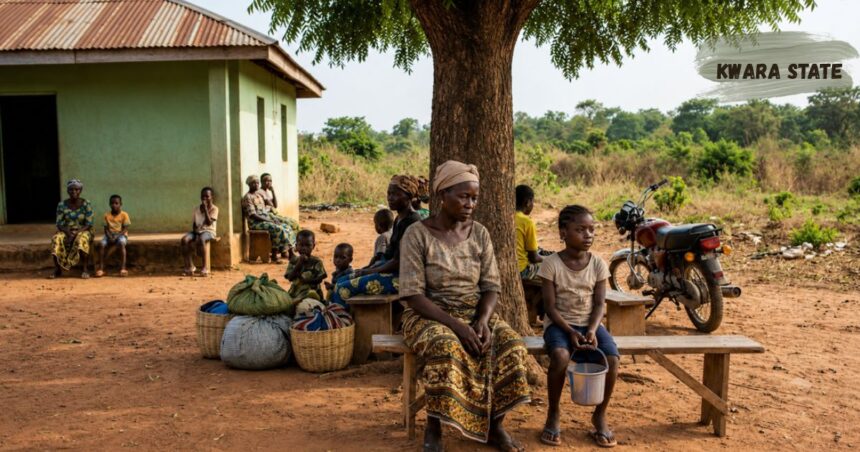
Kwara State sits like a bridge between the North Central region and the Southwest, and for years this geography gave it a reputation as one of Nigeria’s calmer corners. Farmland stretched across the state capital’s outskirts, schools and markets thrived, and residents trusted the federal government to contain any threat before it grew.
Kwara State A Closer Look at a Region Under Pressure
That sense of calm is now being tested by a fresh wave of trouble that has spread from the Kaiama axis in Kwara North into Kwara South and beyond. Mass abductions, targeted killings, and coordinated raids have shaken communities that once believed serious harm was far away. Officials in Ilorin have responded to mounting questions about the volatility shaking these areas, yet the human toll and economic toll keep growing as commercial energy slips away.
Woro remains the starting point of this crisis, the moment that showed how fast peaceful places can start emptying out. This piece brings together what is shifting across the state, from the wider worries facing Kwara State down to the daily fears of ordinary residents.
The Woro and Nuku Abductions
On February 3, gunmen struck Woro and Nuku inside Kaiama Local Government Area, abducting 176 people and displacing thousands of residents in one sudden and brazen raid. UNICEF’s March humanitarian report later estimated that the violence and displacement touched close to 17,000 people across the wider community.
Survivors described armed men moving with confidence, striking homes before retreating into nearby forests. Thirteen children died in captivity before a rescue operation freed dozens of victims, who were released after months spent living through harsh conditions, inadequate food, and almost no medical care.
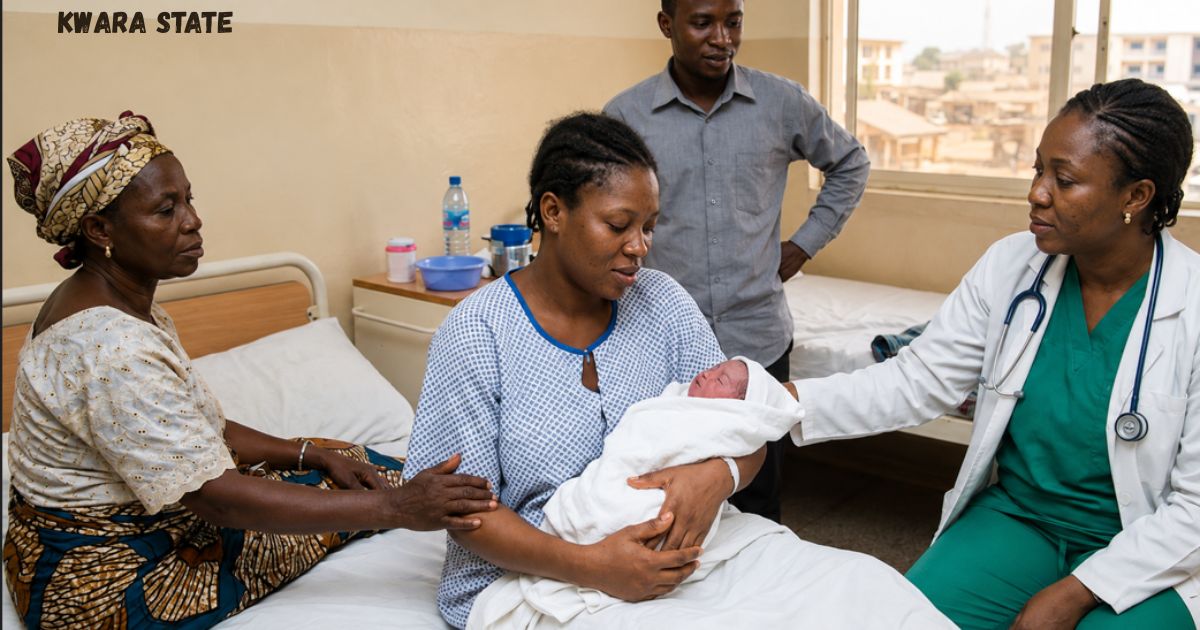
A nurse among the freed captives, also the daughter of the local chief, said she helped deliver ten babies during the captivity period without proper medical equipment. Twelve women and children remained behind after the most recent release, living every day in constant fear.
Government and Military Rescue Operations in Kwara State
In Kwara State, Governor AbdulRahman AbdulRazaq met the rescued victims at a private location in Ilorin, and fourteen of them were later moved to a general hospital, where three women gave birth while receiving treatment. President Bola Tinubu and the military were thanked for their role in the operation, while Brigade Commander Major General Nicholas Rume praised the inter-agency cooperation behind the operation’s success. The Presidency confirmed that this broader rescue effort, tied to other incidents across this and Niger State, freed 300 people in total, including 163 from Woro.
Geographic Spread Across Districts
What started as a devastating attack in Kaiama has evolved into a pattern that now touches three senatorial districts, including Kwara South, Omu-Aran, and Isin, where kidnappings have become a steady stream following an almost familiar script. Armed men intercept victims, disappear into the bush, and place ransom calls within hours, often naming the victim’s family directly.
Many families have resorted to loans and property sales just to raise the ransom money demanded. Ilorin, the state capital, has avoided rural-style massacres, but it absorbs the fallout anyway, as displaced families relocate into safer neighborhoods and ransom negotiations get coordinated quietly from inside the city. Anxiety now sits in markets, mosques, churches, and government offices alike.
Border Corridors and Potential External Risks
Security analysts point to forest corridors linking Kwara to Niger, Kogi, and Ekiti as a key factor, since armed groups use this mobility to move once pressure builds in one district and push activity elsewhere.
A retired military officer described this as a weakest response inviting more trouble, a concern shared by many watching groups exploiting the gap in coverage. Warnings continue that trouble could spill further west, and community security advocates now watch forest belts and isolated settlements stretching toward Oyo and Osun, environments that armed groups could exploit next. Regional security outfits, including Amotekun and local vigilance groups, are being urged to strengthen forest monitoring before such attacks turn routine.
Forced Mass Displacement and Agricultural Impacts in Kwara State
The alarming trend today is not only the attacks themselves but their aftermath, as entire communities keep disappearing across Kwara South and Kwara North. Families have fled ancestral homes at night, leaving farms idle, while traditional rulers have abandoned their palaces altogether.
Community advocates say residents are not running from any natural disaster or failed harvests, but from a lack of protection that has become a deeper concern than isolated violence itself. People abandon homes en masse, and this signals that basic state authority, the ability to protect life and secure territory, has broken down in these areas.
Poor rural roads compound the problem, pushing up security response times and leaving isolated villages more vulnerable than before. Farmers keep avoiding land near forest edges, and the ripple effects touch food supply, local markets, income, and the wider agricultural economy.
Unique Patterns of Internal Displacement
This kind of displacement across Kwara State does not look like the large IDP camps seen in other parts of Nigeria, such as the Northeast. Displaced families usually blend into host communities, taking shelter with relatives, churches, or community halls, and many stay reluctant to formally register as displaced persons.
Official Measures Taken by Kwara State Leadership
Governor AbdulRazaq has framed security as his administration’s top priority, pledging stronger surveillance, better coordination among security agencies, and closer engagement with traditional leaders and community leaders who can spot early warning signs.
President Tinubu condemned the Woro killings and promised federal backing for the fight against extremism, criminality, and violence carried out under religious cover, calling it a national priority. In March, the Inspector General of Police, Olatunji Disu, held a meeting with the governor to discuss strategy and promised to establish new operational security bases in affected areas.
Gaps in Strategic Execution and Strategic Needs for Kwara State
Despite these commitments, residents and analysts say the state remains gripped by insecurity, and that the response so far leans on statements and visits rather than sustained, intelligence-led operations capable of holding territory once it is cleared.
Effective containment, experts argue, needs simultaneous and regionally coordinated action, otherwise armed groups simply relocate to less-defended areas. Improved mobility, stronger air support for security forces, and genuine investment in human intelligence from farmers, hunters, and village heads could provide the trust needed before real change is acted on.
Specifics of the Woro and Nuku Attacks
Gunmen attacked Woro and Nuku inside Kaiama LGA on February 3, abducting 176 people from both communities. Thirteen children died in captivity before a later operation secured the release of dozens of victims. Reports indicate that 12 women and children held afterward remained behind in captivity.
Total Population Impacted
UNICEF estimates that approximately 17,000 people were affected by the February 3 attack and the resulting displacement. A broader rescue operation across Kwara State and Niger State reportedly freed 300 people in total across multiple incidents.
Regional Extent of the Security Situation
The crisis is not limited to Kaiama or Kwara North. Kidnappings and attacks have also affected Kwara South, especially around Omu-Aran and Isin, while Ilorin in Kwara Central absorbs displaced families and ransom negotiations even without direct rural-style attacks.
Driving Factors Behind Mass Abandonment of Homes in Kwara State
Community advocates explain that communities are emptying out because sustained attacks have eroded residents’ trust that protection will actually arrive. This prompts families to abandon homes and farms voluntarily rather than wait for the next incident, instead of only fleeing during an active attack.
Evaluation of Government Interventions Across
Governor AbdulRazaq’s government pledged enhanced security support and community engagement in response, while President Tinubu promised federal backing. The Inspector General of Police visited in March and promised new operational bases, but critics say implementation on the ground remains limited.
Potential Risk of Security Threats Spreading Beyond Kwara State
Security observers have warned that the current crisis could easily spill over the state’s borders into surrounding areas. Forest corridors connecting Kwara State to neighboring regions including a potential drift toward Oyo and Osun could allow armed groups to relocate and establish new bases if pressure increases without coordinated, region-wide containment across Kwara State and its neighboring territories.
FAQs
What is Kwara State known for?
Kwara State is globally recognized as the “State of Harmony” because of its peaceful environment, cultural diversity, and rich historical landmarks like the Esie Museum and Owu Waterfalls.
Which geopolitical zone does the state belong to?
It is officially located in the North-Central geopolitical zone of Nigeria, though it shares deep cultural and linguistic ties with the South-Western region.
What is the major language spoken there?
Yoruba is the most widely spoken native language, along with Nupe, Bariba, and Fulfulde in various local communities.
How many Local Government Areas are in the state?
The state consists of 16 Local Government Areas spread across three main senatorial districts to manage grassroots development.
What is the capital city of Kwara State?
The vibrant capital city of Kwara State is Ilorin, which serves as the administrative hub, cultural epicenter, and largest commercial center in the state.