

Ever since I first walked the coastal paths of Anglesey, I understood why so many people carry dreams about buying a slice of this island. My own journey started with a simple guide I picked up while wandering near Beaumaris, and within two years I had turned that guide into a genuine plan.
Navigating Market Realities and Regulations for a Holiday Property Anglesey
The market for holiday accommodation here has become one of the fastest-evolving corners of the UK, and anyone thinking about selling home in the city to chase a complete change of lifestyle should know the reality first. Anglesey County Council has grown far stricter, and honestly, some of the strictest rules I have seen anywhere now apply to short-let hosts across this sought-after stretch of coastal destinations.
I still remember standing near the bustling harbour at Trearddur Bay, thinking about the impact this fastest-evolving market could have on my daily lives and working arrangements. Five years ago, buying a ready-made business near Rhosneigr felt like a brave move, especially after the pandemic changed how people think about work/life balance.
Today, property owners across the region face a genuine consideration: is this flourishing business an alternative worth the focus, or simply a seasonal bid for profitable success? The demand for year-round occupancy keeps rising, and visitor numbers in 2025 remain strong, especially near the sandy beaches and quiet shepherd huts dotted across the land.
Regulatory Compliance Strategies for a Holiday Property Anglesey
Whether your application involves a change of use for tourist accommodation, or you simply want guest reviews that praise high-quality holiday lets, staying compliant and keeping every booking genuinely compliant with the new short-let regulations matters more than ever. Managing a Holiday Property Anglesey portfolio requires staying ahead of regulatory changes while protecting the future of the island’s wildlife-rich nature and weighing the plans every buyer must consider before jumping in.
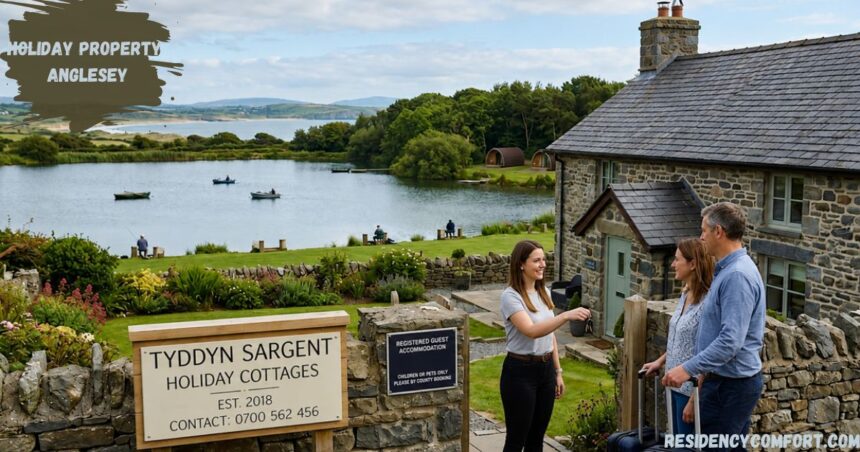
Tyddyn Sargent, Tyn-Y-Gongl, near Benllech
Tucked near Benllech, along the quiet lanes leading to Tyn-Y-Gongl, and set firmly within Anglesey, sits a property that answers long-held desires for a genuine change direction in working life. I toured a similar two-bedroom farmhouse last Christmas, and it reminded me exactly of this handsome new home, at a guide price around £1,195,000, spread across roughly 8 acres (or circa 7.62 acres, to be precise) of paddock land and woodland within an Area of Outstanding Natural Beauty.
Investment Overview Tyddyn Sargent Holiday Property Anglesey
The site includes three letting cottages plus a further pair of self-catering cottages, so three separate holiday cottages stand ready for families, couples, and adults alike, all offering superior accommodation and self-contained accommodation finished to a genuinely high-quality standard, with island views stretching toward Red Wharf Bay and Moelfre. The letting cottages themselves range from cosy studios to roomier family units, and two of them look straight out over the lake.
A lawned garden wraps around the second floor level of the main stone outbuildings, while a separate caravan, alongside an existing on-site caravan, and a planned extension add further potential. Occupancy permitted year round means returning guests can book luxury holiday breaks any day of the year after year, and the current owner’s packed contact book and healthy visitors book show confirmed bookings already sitting in the pipeline, with fresh bookings arriving throughout the seasons.
On-Site Amenities and Revenue Potential
For anyone drawn to fishing lakes, this location delivers: 18 fishing pegs across the lake, plus Fishing pegs priced at £5.00 for children and £7.00 for adults, with mackerel and sprat among the catch on a good day. The business produces regular income approaching 60% occupancy, worth roughly £66,000 a year, and sits in close proximity to stores, an office, and gravelled parking areas just about four hours from major cities.
Some lapsed planning permission on nearby land leaves room to up sticks and expand further, making this a genuinely popular destination and a strong market proposition, approximately two miles from the finest Welsh countryside beaches.
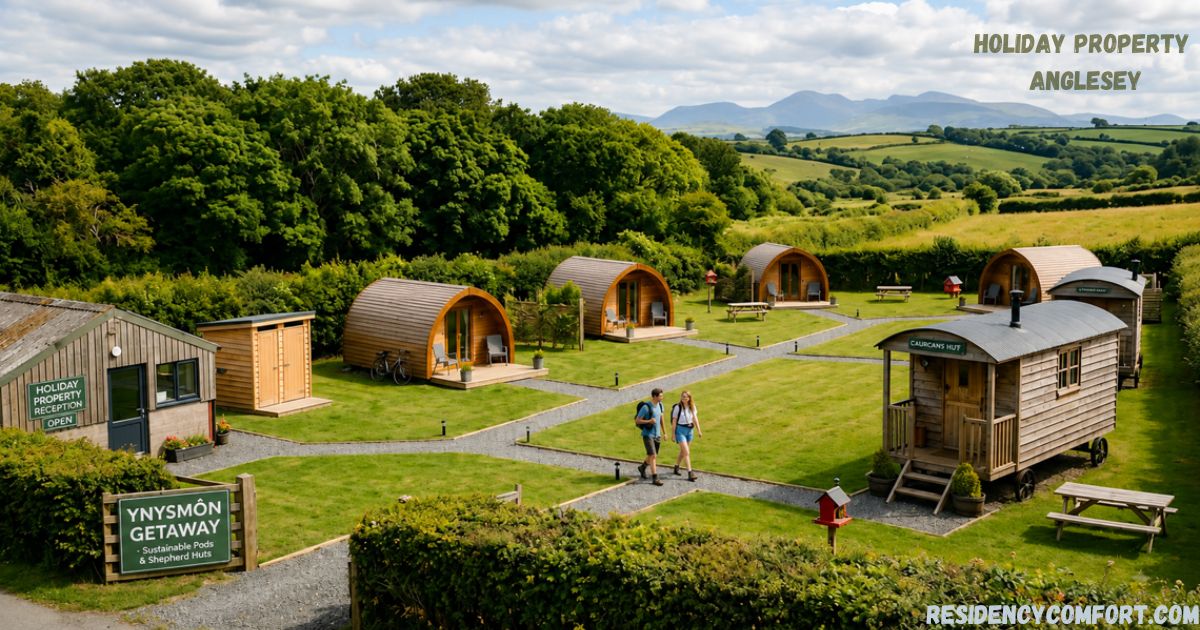
‘Alternative’ Tourist Accommodation Shepherd Huts and Glamping Pods
Beyond farmhouses and cottages, Anglesey known locally as Ynys Môn offers another opportunity: an ‘Alternative’ tourist accommodation site built around shepherd huts and glamping pods. When I first met Delyth Owen of Owen Planning Services, she was preparing a submission for exactly this kind of proposed development, and her particular focus was helping a small family business turn an old agricultural shed near Cae Rhos into a genuine holiday destination.
The plan called for five glamping pods, sited on agricultural land close to a rural hamlet near Llangristiolus, with excellent access from the B4422 and a dedicated access track leading off the main road. The site, well screened by hedgerows and bordered by woodland, sits in a central location near Bodorgan and Capel Mawr, giving owners and future guests easy access and gives access to local shops, cafés, and public houses without losing the feeling of quiet private land and personal ownership. A package treatment plant and a simple toilet/shower block were part of the proposal, alongside an installation for a small service building doubling as a smallholding office.
Target Demographic and Economic Impact
Gavin Roberts, the agent handling the application, told me that this kind of sustainable alternative camping now attracts a growing target market: walkers, cyclists, photographers, birdwatchers, and nature photographers, drawn in by red squirrels, birds, and rich marine life across the island.
The target demographic tends to be couples and small families, often staying for five nights while they explore popular tourist destinations and support the surrounding local economy. Businesses in the area, including nearby restaurants, benefit from employing local people and welcoming tourists, and the target clients for this scheme are typically over the age of 25.
Sustainable Development Strategies for Alternative Holiday Property Anglesey Accommodation
For the development site and proposed development site itself, the variation submitted asked planners to develop available accommodation that would boost additional income for the family, without harming the public highway or breaking with the popularity of camping in this part of Wales.
Siting the pods took careful thought a predominately screened accommodation layout, designed for genuine outdoors living, with sensible access for families working through their own plans to visit and explore nature at its best.
Developing an alternative Holiday Property Anglesey site shows how a modest land holding can target a completely fresh income stream proof that visiting Anglesey no longer means choosing only between a traditional cottage and a caravan.
Understanding the Current Regulatory Landscape
For hosts across Wales, and nationally too, the regulatory picture is changing fast. New tougher controls, fresh licensing schemes, and stricter occupancy rules are arriving through a mandatory register and a framework for national registration, all built around safety. Every holiday lets owner must become safety-compliant, since high occupancy thresholds now come with ongoing evidence requirements and greater scrutiny from councils determined to avoid shortcuts.
Council Tax premiums are already pushing accommodation providers toward better operating standards, while a coming roll out of the Register and Levy will make insurance, proper compliance, and clear preparation absolutely essential.
It is upcoming legislation under the Wales Act 2025 that will fully protect guests and local communities alike, and every property owner in Anglesey should be aware of the tax implications well before 2025–2026 arrives. This compulsory licensing system, formally tied to Visitor Accommodation registration, affects housing availability and short-term letting across the country not just on the coast. Staying ahead of it protects both your income and your reputation.
Planning Permission and Use Classes for Your Holiday Property Anglesey
Planning categories cause the most confusion. A main home normally sits under C3, a second home may drift toward C6, and a dedicated short-let or full-time holiday let typically needs C5 with converting between types of homes counting as a material change of use under Article 4 rules. Anglesey Council, alongside neighbouring Gwynedd, treats these as distinct categories, and getting it wrong when switching use can delay any planning applications.
Good record-keeping and solid established use evidence make all the difference. Without proper controls and valid planning permission, applications often stall, so if you’re switching into short-term holiday accommodation, seek guidance early. A future licence may become required for certain property types, so professional support and a clear recommendation from a planner before you begin is common sense across Wales and Anglesey alike.
Operating Guidelines and Financial Strategies
To qualify for business rates rather than Council Tax, a Holiday Property Anglesey units must clear specific thresholds: it needs to be available to let for 252 days per year, and actually let for at least 182 days within a rolling 12-month period. The reason this matters comes down to key financial challenges failing to maintain occupancy at 100% of the required level triggers a Council Tax premium, which many hosts try hard to avoid through better professional management.
Safety and Legal Requirements
Every host must comply with core safety laws: a valid Gas Safety certificate, mains-linked smoke alarms on every floor, plus heat alarms in kitchens. An electrical check, or EICR, must be renewed every five years, and a written Fire Risk Assessment should be updated annually. The new licensing system now helps to formalise these requirements, and public liability insurance sits alongside the licensing rules that councils plan to enforce across every hosts’ property.
Industry Insight Why Compliance Matters
I welcome these changes, even though they spark local debate. Treating holiday lets as a competitive advantage rather than a burden means hosts get treated professionally, with proper documentation raising professional standards across the board. There’s no need to worry if your safety planning is solid good compliance helps protect both communities and your investment.
The truth is there are two realities at play: tighter regulation can reduce pressure on housing supply, while a well-run Holiday Property Anglesey business stays genuinely profitable and viable. Stricter rules are essential for local trade income in Anglesey, and in the long run, they protect everyone who depends on that same local trade income.
Execution: Checklist and Revenue Optimization for a Holiday Property Anglesey
Anglesey Host Compliance Checklist
- Gas Safety certificate kept current
- Mandatory registration completed, with tax records in order
- Licensing requirements and occupancy rules fully understood
- Neighbour relations kept positive and open
- 182+ let nights tracked against local planning updates
- EICR checks completed, with training logged
- Operational standards and Fire Risk Assessment reviewed regularly
- Mains smoke/heat/CO alarms tested within the last 6–18 months
Operational Strategies for Maximising Income and Staying Compliant as a Holiday Property Anglesey Host
Many hosts across Anglesey now turn to full-service providers for guest management, since 24/7 support and smart dynamic pricing lead to higher occupancy thresholds and better guest reviews. These providers handle safety documentation, offer regulation-ready onboarding, and manage tighter expectations around professional cleaning, paperwork, and noise/waste controls all of which support genuine year-round occupancy and lower compliance risk for any Holiday Property Anglesey business.
For any short-let operator running a Holiday Property Anglesey investment, the payoff is consistent bookings, stronger local relations with neighbours, and properly documented risk assessments that keep everyone at ease.
FAQs
What tax thresholds apply to a holiday property Anglesey?
To qualify for small business rate relief instead of council tax, a self-catering property must be available to let for at least 252 days and actually let for a minimum of 182 days per year.
Is registration mandatory for self-catering hosts in Wales?
Yes, all short-term accommodation providers must register on the national statutory register managed by the Welsh Revenue Authority.
What health and safety rules apply to holiday lets?
Owners must maintain current gas safety certificates, completed electrical safety inspections, and a comprehensive fire risk assessment.
How does property location impact booking yields?
Coastal hotspots like Rhosneigr and Beaumaris pull premium peak-season rates, while inland locations offer lower entry costs and steady year-round occupancy.
How will the Welsh visitor levy impact a holiday property Anglesey?
Where implemented by local councils, the visitor levy adds a statutory £1.30 per person, per night fee (or 75p for campsites/hostels) collected directly at booking.