

Navigating Market Resilience and Project Opportunities with Property Development Advice UK
UK property development rewards patience more than luck, and I learned that within my first few months of renovating a tired terrace house. Even through an economic downturn, government regulations, finance updates, a pandemic, and post-Brexit difficulties with hiring and material supply chains and costs, the UK housing market has stayed a dependable option compared with most other sectors over the medium term.
Whether you’re a novice or a seasoned property developer, seeking reliable property development advice UK experts share can help you evaluate realistic returns before making major commitments. This journey brings exciting opportunities, real risks, and genuine rewards and building wealth through your primary business starts with understanding the process before you commit any money.
This article covers every stage of the field of property development: your property development business plan, the choice between buy-to-let and buy-to-sell, market research, rental yield and ROI, renovating for sale or rent, financing, and final thoughts to wrap things up. It also draws on a roadmap I built while working alongside an expert architect, and echoes advice from Laura Jane Clark, whose approach to budget, design, construction, and UK planning process shaped how AURA-style clients manage developers and completion.
Building a Bulletproof Property Business Plan
Every solid business plan starts with structure, no matter the sector you’re working in. I always begin by writing down my objectives, then define my business objectives and the strategies I’ll use to reach them, because your target market, the type of property you build, and your expected return on investment are critical components you need clarity on before any investments happen. It also pays to research property trends in your desired area, because homebuyers searching for family homes, flats, or eco-friendly builds create real demand, and knowing whether you’re chasing a high-end development, affordable housing, or rental properties shapes your budget, design, and marketing strategy from the outset.
Managing Budgets and Planning Tools
A realistic budget breaks every cost into pieces: land purchase, professional fees, construction costs, and a contingency fund worth 10-15% of your total budget, because unexpected costs, delays, and material price changes always show up somewhere. There are plenty of property development business plan templates, experts, and management software tools that can help you shape your own plan around your timescales, costs, funding, and renovation approach.
Laura Jane Clark, who worked on a home transformation project for Your Home Made Perfect, put it simply staying organised with a drawn plan and an excel spreadsheet keeps every project, large or small, on budget from the first day.
Analyzing the Real Estate Landscape and Target Demographics
Before spending a penny, I run a proper financial analysis and study the real estate landscape of my chosen area, because understanding the preferences of local buyers and renters tells you where your budget for property acquisition should actually go.
Anyone looking for practical property development advice UK beginners can actually use will tell you that starting near your local area makes sense thanks to your existing familiarity, though exploring distant areas with strong growth potential can uncover hidden gems. I look for regions with high demand, where homes sell swiftly and there’s active construction and investment these are the clearest signs of an area on the rise.
Spotting High-Growth Neighborhoods and Target Areas
Finding the right spot means spotting areas just before they become popular, where housing prices are about to climb. I’ve had good luck near the outskirts of bustling urban areas, and for buy-to-let investments, university cities rarely disappoint sites like Rightmove make it easy to check selling prices of houses nearby.
Always think from your target audience’s point of view: accessibility and transportation matter enormously to young professionals and students who want bars and restaurants close by, while families care most about safety and quality schools.
Building Agent Relationships and Conducting Site Assessments
Building relationships with local real estate agents pays off because they hold insights into what buyers and renters actually want, and staying in touch builds personal relationships that get you first access to suitable properties. I also weigh neighbourhood appeal, growth potential, and proximity to schools, transport links, and amenities like shops, parks, and restaurants, especially in up-and-coming areas with planned infrastructure developments on the way.
Before I buy, I always order a site assessment and full site evaluation, checking soil quality, flood risk, and access, and I bring in a surveyor to flag unstable ground, legal restrictions, covenants, easements, or a lack of nearby green spaces.
Essential Property Development Advice UK Securing Capital and Finance
Setting a budget that covers acquisition costs, construction expenses, and other associated costs comes before you chase any financing options or funding. I’ve used bridging loans, development finance, and mortgages at different points, and each suits a different stage of a project.
Property development finance is a form of lending that helps businesses, entrepreneurs, and property developers fund development projects across residential and commercial builds BLG, for example, offers development loans from £1,000,000 up to £15,000,000. Seeking tailored property development advice UK finance specialists offer is crucial here, as selecting the wrong loan structure can severely strain your cash flow.
A bridging loan is a short-term, high-interest loans option that many individuals use to acquire a property while waiting to sell another, and property developers favour them too when they need to purchase, renovate, and sell properties before repaying the loan and interest. Because these loans are secured against property or land as collateral, you need a clear exit plan for the term’s end BLG, for instance, lends between £500,000 and £10,000,000 for up to 12 months, though longer term deals can be arranged.
Comparing Buy-to-Let, Buy-to-Sell, and Alternative Funding
If you plan to rent out a home, a standard mortgage won’t cut it you’ll need a buy-to-let mortgage, which usually comes with an interest-only structure, higher deposit requirements, steeper interest rates, and extra fees. A buy-to-sell mortgage, sometimes called a flexible mortgage, suits a shorter holding period instead, though it brings higher interest rates, elevated fees, and a larger deposit.
Banks and specialist lenders also offer development loans that cover land purchase and construction costs and release funds in stages as the project progresses, while private investors bring extra financial backing in exchange for a share of profits, which helps beginners short on initial capital; don’t overlook government schemes offering grants or loans for housing development, particularly where affordable housing or eco-friendly designs are involved.
Vetting Contractors and Managing Site Operations
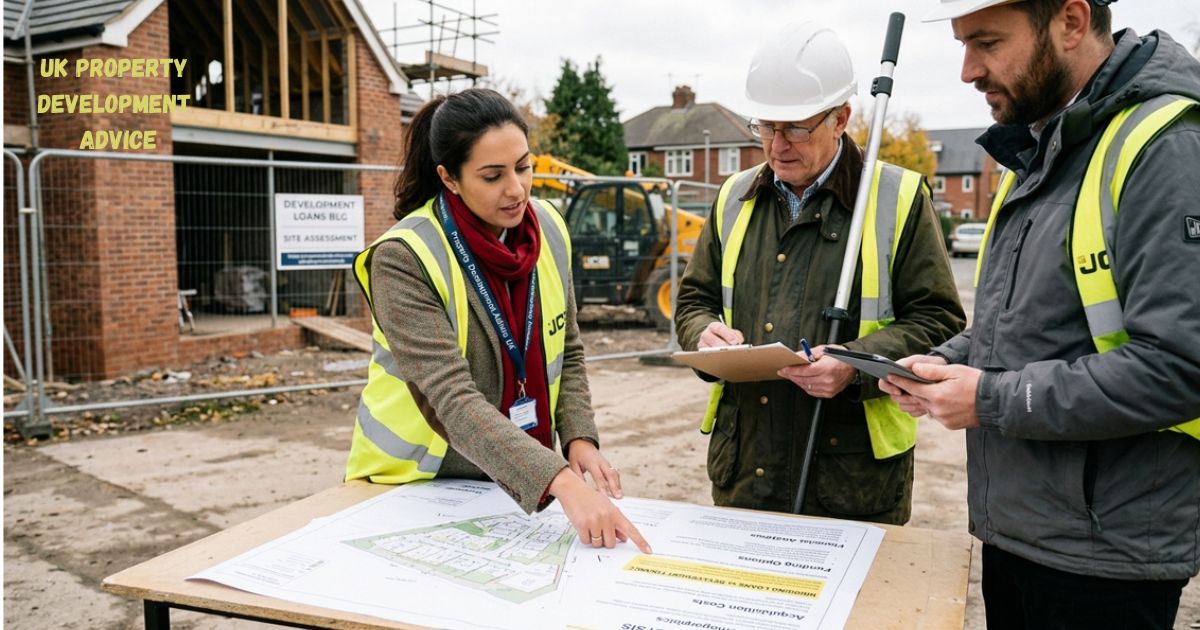
No property development succeeds without the right team behind it. I bring together experienced professionals who share my vision, including architects and designers who understand planning regulations and can suggest cost-effective solutions, along with structural engineers whose expertise keeps a building safe and within local codes.
Contractors need proper vetting too I always check references, past work, and credentials before trusting anyone to deliver high-quality results within a set timeframe, and a good project managers keeps timelines, budgets, and communication flowing so delays and mismanagement never creep in.
Integrating Sustainability into Your Project
Buyers increasingly expect eco-friendly properties, so I now build with sustainable materials and energy-efficient systems wherever the budget allows, choosing designs that cut carbon footprints through solar panels or high-grade insulation. Eco-conscious features aren’t a passing trend either energy-efficient appliances, water-saving measures, and recycled materials all help a property stand out on the market. Building sustainably from the start also tends to lower running costs for whoever buys or rents the finished home.
Deciding Between Build-to-Sell and Build-to-Rent
Making an informed decision about the type of project you want takes proper research, because your business approach should match your goals: build to sell or build to rent. Both are lucrative property development business models, but the decision between them changes everything that follows.
Under the building-to-sell model, you construct properties with the sole purpose of selling them once finished, and after completing a project the focus shifts entirely to turning a profit sometimes by purchasing a substandard property, renovating it to a high standard, then selling for a capital gain at a higher price than your construction costs; many developers shift from property development financing into development exit financing to trim their interest expenses.
What are the Basics of Property Development Advice UK Learners Should Know?
At its core, property development, sometimes nicknamed house flipping, means turning land or existing buildings into something more valuable, whether that’s building new homes, renovating old offices, or converting warehouses into apartments.
The process runs from spotting an opportunity, through to plan, secure permissions, manage construction, and finally sell or lease the completed development and it’s always a team effort, with developers working alongside architects, builders, and investors who share the same vision. Basic property development tips only carry you so far though, because the reality is genuinely complex and demands solid understanding of the market, construction processes, and financial planning.
Preparing for Unexpected Cost Essential Property Development Advice UK
Anyone who’s followed the news stories around the infamous Grand Designs lighthouse in North Devon knows exactly how a project can spiral out of control if you’re not careful. Top property development advice UK industry leaders share often emphasizes financial risk management above all else; experts generally recommend setting aside around 20% of your overall budget to cover unexpected emergencies, and it’s worth speaking to a property tax account specialist too, since there are often savings hiding in places you wouldn’t expect.
FAQs
What is the best property development advice uk for beginners?
Start with thorough market research, secure robust financing, and hold a 15–20% contingency fund. Partnering with seasoned planning consultants ensures site viability.
How do developers check if a plot is financially viable?
They calculate Gross Development Value (GDV) minus construction, land, and legal costs. The surplus must cover financing and hit target profit margins.
What planning rules matter most before buying land?
Review local policies, conservation area restrictions, permitted development rights, and access rights. Early pre-application talks with planning authorities reduce unexpected delays.
What financing options suit site acquisitions?
Common choices include short-term bridging loans, ground-up development finance, and joint ventures. Align drawdown schedules with cash flow needs.
Why hire specialists for property development advice uk?
Expert development consultants, surveyors, and architects help navigate complex UK planning laws, mitigate structural risks, and maximize return on investment.